
Black Sabbath
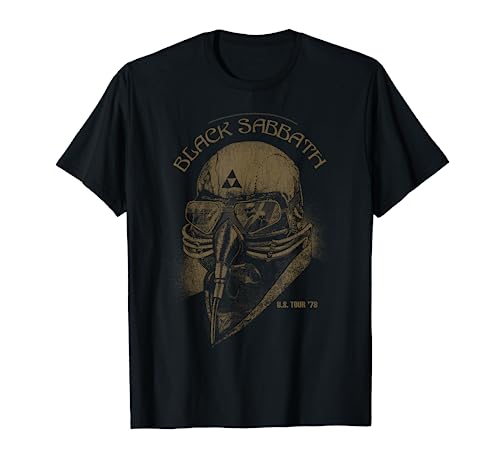
Black Sabbath t-shirts and merchandise, hand-picked by RockTee.
Shop the band
Black Sabbath merch
Black Sabbath: Weight, Space and Unease
Black Sabbath helped establish heavy metal by making the riff feel like the centre of everything. Formed in Birmingham, the original quartet of Ozzy Osbourne, Tony Iommi, Geezer Butler and Bill Ward developed a sound that was heavy without being one-dimensional: blues-rooted guitar, mobile bass lines, swinging drums and a voice that could sound both accusatory and frightened.
Their music often moves at a pace that lets each note settle. Silence, sustain and sudden changes in tempo matter as much as distortion. Beneath the dark imagery are songs about war, alienation, addiction and the fear of losing control. That combination gives Sabbath a human vulnerability sometimes overlooked beneath their influence on metal.
The Sound: More Than Slow Riffs
Iommi’s guitar provides the defining shapes, but the original band’s power comes from the interaction around them. Butler’s bass can shadow a riff or move through its gaps; Ward brings a loose, jazz-informed feel rather than simply hammering the beat. Osbourne’s direct, recognisable delivery gives the songs a clear emotional centre.
The opening title track of Black Sabbath is an obvious starting point: spacious, ominous and patient. Yet “The Wizard” brings harmonica and a bluesy groove, while “Planet Caravan” explores a hushed, drifting atmosphere. Sabbath’s heaviness works partly because they understood contrast.
Key Records to Explore
Black Sabbath (1970) captures the band’s early mixture of blues, dread and rough-edged momentum. It remains useful listening for anyone wanting to hear how their musical language took shape.
Paranoid (1970) offers the most immediate route in. “War Pigs”, “Iron Man” and the title track each show a different side of their writing, from extended shifts in mood to concise, driving riffwork.
Master of Reality (1971) pushes towards a thicker, lower-register sound. “Sweet Leaf”, “Children of the Grave” and “Into the Void” are central reference points for the doom and stoner metal that followed.
Vol. 4 (1972) and Sabbath Bloody Sabbath (1973) broaden the palette with piano, acoustic passages and more elaborate arrangements. For another major chapter, Heaven and Hell (1980), with Ronnie James Dio singing, brings a more soaring vocal approach without abandoning the weight of Iommi’s riffs.
Visual Identity and Merch
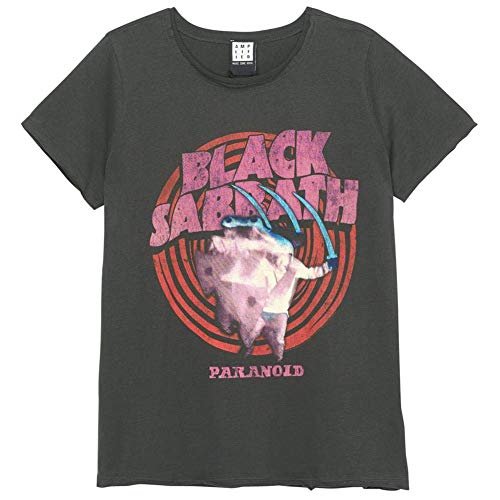
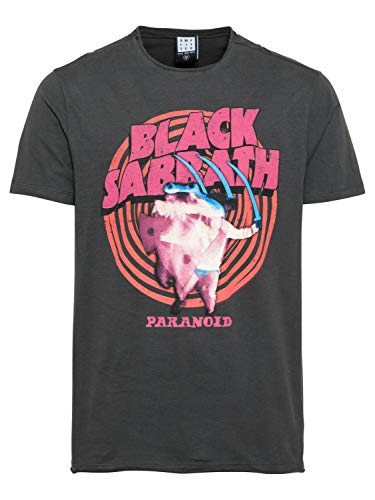
Sabbath’s artwork offers several distinct visual worlds rather than one fixed aesthetic. The debut’s eerie photographic cover feels very different from the blurred, brightly coloured figure on Paranoid. Master of Reality takes another route, making its purple lettering against black the dominant image.
Sabbath Bloody Sabbath turns towards dense, unsettling illustration. Together, these covers explain why Sabbath imagery translates naturally into band merchandise: typography, atmosphere and recognisable album associations all carry meaning.
When choosing a Sabbath design, start with the record or period you connect with. A lettering-led graphic foregrounds the band’s name; an album-cover design makes a more specific musical reference. The strongest choice is not necessarily the busiest image, but the one that reflects what you hear in the music.