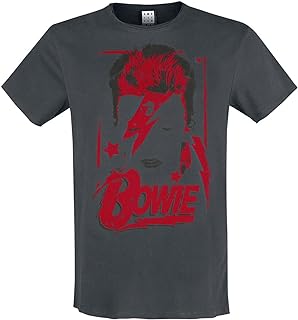

David Bowie
David Bowie t-shirts and merchandise, hand-picked by RockTee.
Shop the band
David Bowie merch
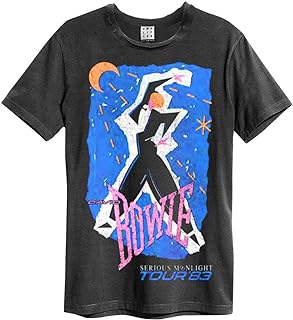
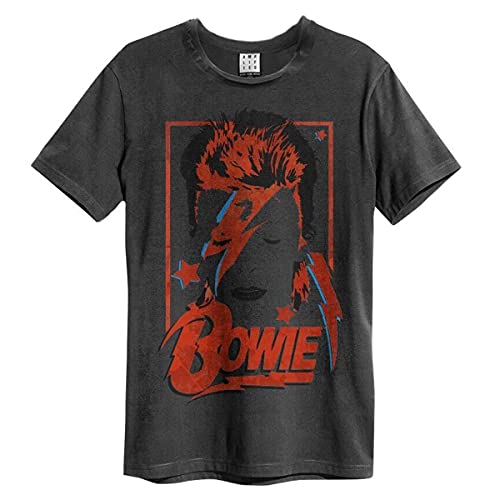
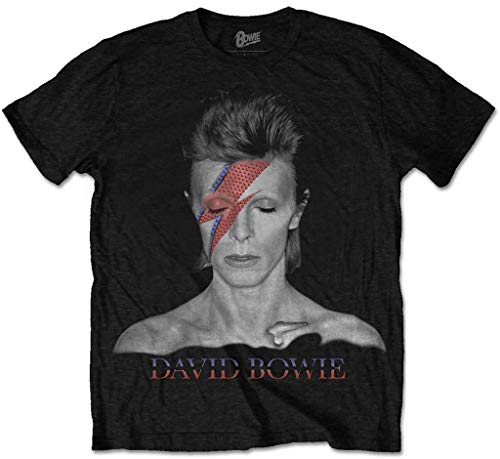
David Bowie: Sound, Records and Visual Identity
David Bowie made change a central part of his music. Rather than settling into one sound, he moved between theatrical rock, soul, electronic experimentation and pop, often allowing those styles to overlap. His records can feel immediate and melodic or deliberately unsettling, but a distinctive voice connects them: expressive, dramatic and capable of making even an accessible song sound slightly strange.
For listeners coming from rock, Bowie offers more than a sequence of different personas. His work explores what happens when guitar music opens itself to dance rhythms, studio experimentation and performance art.
The Records That Map His Sound
Hunky Dory is a useful starting point. Built around strong songwriting and prominent piano, it balances the direct appeal of ‘Changes’ with the sweeping drama of ‘Life on Mars?’. It reveals how much of Bowie’s musical identity was already present before Ziggy Stardust: sharp character sketches, unusual phrasing and melodies that take unexpected turns.
The Rise and Fall of Ziggy Stardust and the Spiders from Mars brings those instincts into a more concentrated rock setting. Mick Ronson’s guitar gives the songs bite, while Bowie’s delivery turns their characters and scenes into theatre. ‘Starman’, ‘Moonage Daydream’ and the title track show why the album remains such a natural entry point.
Young Americans shifts towards soul and funk, with rhythmic arrangements and layered vocals taking a more central role. Station to Station then places funk grooves beside colder textures and extended structures. Its title track moves from a slow, tense opening into something increasingly propulsive, capturing Bowie’s ability to make experimentation feel physical.
Low and “Heroes” reward a different kind of attention. Short, fragmented songs sit alongside instrumental passages, with atmosphere and texture sometimes carrying as much weight as lyrics. These records are particularly revealing if you want to hear Bowie beyond the familiar singles.
For his more direct pop approach, Let’s Dance is essential listening. For a striking late-career contrast, Blackstar brings restless rhythms, jazz-informed playing and an uneasy atmosphere into a tightly shaped album.
An Image That Worked With the Music
Bowie’s visual identity was never simply a logo attached to a record. Clothing, make-up, photography and typography helped establish the world around each release.
Ziggy Stardust’s vivid hair and theatrical stagewear gave his glam-rock period a recognisable silhouette. The lightning-bolt portrait on Aladdin Sane became one of his most widely recognised images, though it belongs to a different album from Ziggy Stardust. The restrained appearance associated with the Thin White Duke offers another contrast: controlled and sharply separated from the colour of his earlier presentation.
Bowie Imagery on Merchandise
That range makes Bowie merchandise especially interesting as visual culture. An Aladdin Sane portrait places the face and make-up at the centre; “Heroes” artwork draws on a distinctive photographic pose; Blackstar uses a stark graphic language rather than a conventional portrait.
Choosing between those images can be a way of expressing which Bowie records matter most to you. The strongest connection is personal: a sleeve you return to, a period whose sound stays with you, or an image that first prompted you to listen.