
Led Zeppelin
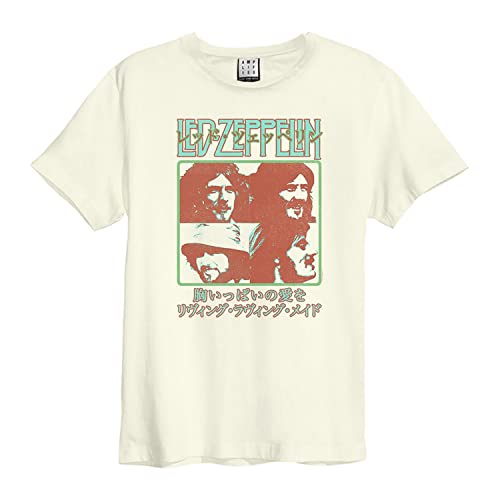
Led Zeppelin t-shirts and merchandise, hand-picked by RockTee.
Shop the band
Led Zeppelin merch
Led Zeppelin
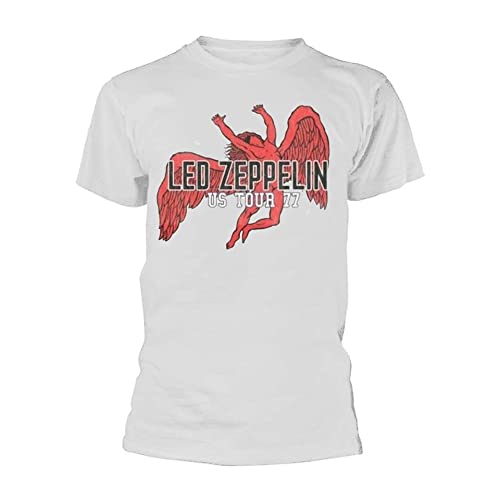
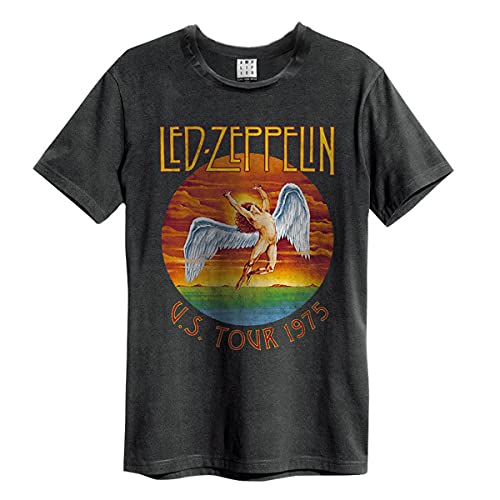
Amplified Led Zeppelin US Tour 77 Icarus T-Shirt in Vintage White
Check price at AmazonBuy now
Led Zeppelin: weight, space and restless invention
Led Zeppelin’s music is often reduced to the force of its riffs, but sheer volume tells only part of the story. Formed in London in 1968, the band brought together Jimmy Page, Robert Plant, John Paul Jones and John Bonham. Their sound drew on blues, folk and rock, balancing amplified power with acoustic detail, rhythmic flexibility and a willingness to let songs unfold.
Page’s guitar could be dense and abrasive or spare and delicate. Plant moved between blues-rooted phrasing and a high, piercing delivery, while Jones supplied bass, keyboards and arrangements that widened the band’s musical range. Bonham’s drumming gave it all both weight and swing: even the heaviest passages retained a physical, human pulse.
The records that map their sound
The self-titled debut, released in 1969, established the contrast between attack and atmosphere. “Good Times Bad Times” arrives with remarkable rhythmic confidence, while “Dazed and Confused” stretches into darker, more exploratory territory. Their interpretations of blues material were central to this early identity, though parts of that catalogue also became the subject of songwriting-credit disputes.
Released later that year, Led Zeppelin II pushed the riffs forward. “Whole Lotta Love” combines a direct guitar hook with an experimental middle section, while “Ramble On” shows how naturally the band could move between acoustic textures and heavier playing.
Led Zeppelin III made that acoustic side harder to overlook. Alongside the charge of “Immigrant Song”, tracks such as “That’s the Way” revealed a quieter, folk-influenced approach. It is a useful corrective to the idea that Zeppelin worked in only one gear.
The untitled fourth album, commonly called Led Zeppelin IV, brings those strands together. “Black Dog”, “Rock and Roll”, “The Battle of Evermore” and “When the Levee Breaks” each offer a different route into the band’s sound. “Stairway to Heaven” makes their control of gradual changes in texture and intensity especially clear.
For a broader view, Houses of the Holy and the double album Physical Graffiti show a group moving beyond a fixed blues-rock template. “The Rain Song” explores orchestral colour, while “Kashmir” builds its power through repetition, rhythmic tension and sweeping arrangement rather than speed.
A visual identity beyond the band name
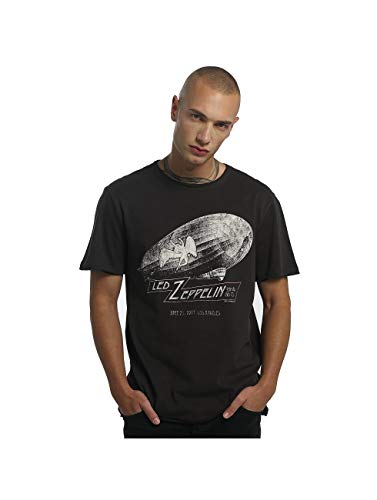
Led Zeppelin’s artwork carries much of the same tension between the direct and the mysterious. The burning airship on the debut sleeve is an immediately recognisable image; the fourth album takes a different approach, avoiding a conventional title on its cover and introducing four symbols associated with the members.
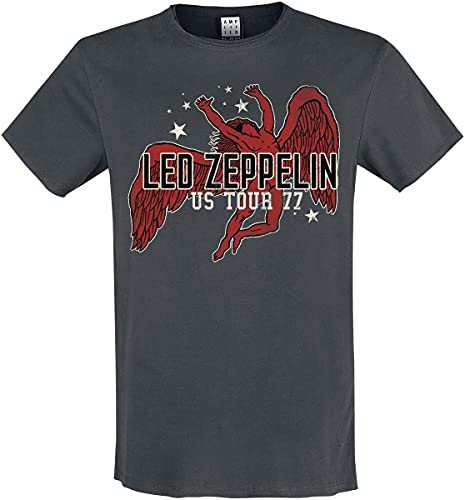
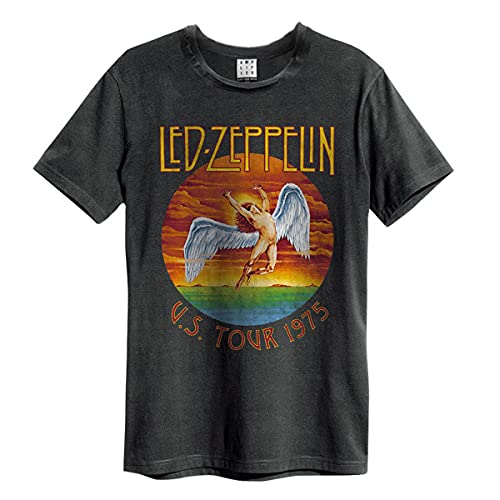
Other sleeves reward a closer look. Physical Graffiti turns a building façade into an elaborate visual framework, while the winged figure associated with Swan Song, the band’s record label, became another enduring part of their visual language.
For anyone exploring Zeppelin merch, these distinctions matter. Album artwork connects a design to a particular musical period; the four symbols offer a more understated reference. The strongest connection is personal: start with the record or image that means something to you, rather than treating every Zeppelin motif as interchangeable.