Lynyrd Skynyrd
A guide to Lynyrd Skynyrd’s Southern rock sound, essential albums and visual identity, with a considered look at band merch.
Shop the band
Lynyrd Skynyrd merch
![(Pronounced 'Lh-'nrd 'Skin-'nrd) [VINYL]](https://m.media-amazon.com/images/I/81HnauxBU3L._AC_SL1400_.jpg)

Lynyrd Skynyrd: Southern Rock with Weight and Detail
Lynyrd Skynyrd’s music sits where blues, country and hard rock meet, but that description only gets you halfway there. Their strongest songs balance muscular guitar playing with an unexpectedly light touch: piano that gives the rhythm room to move, melodies built for storytelling, and arrangements that know when to hold back.
Formed in Jacksonville, Florida, the band became one of the defining names in Southern rock during the 1970s. Singer Ronnie Van Zant gave their music a grounded, conversational centre. Even when the guitars stretched out, his delivery kept the songs connected to recognisable characters, difficult choices and everyday frustrations.
The Sound: Interlocking Guitars, Not Just Big Solos
The familiar shorthand for Skynyrd is their multi-guitar attack. More important than the number of instruments, though, is how those parts fit together. Rhythm figures, melodic fills and harmonised leads create movement without making every passage feel crowded.
There is considerable range beneath that approach. “Gimme Three Steps” runs on a nimble groove and a sharply drawn story. “Simple Man” builds patiently around a direct emotional message. “Free Bird” moves from reflective balladry into an extended guitar workout, with the contrast between those sections doing as much work as the soloing itself.
Their sound can be tough without becoming rigid, and sentimental without losing its edge. That tension is central to their appeal.
Key Records to Start With
(Pronounced 'Lĕh-'nérd 'Skin-'nérd), released in 1973, is the clearest introduction. Alongside “Free Bird”, “Simple Man” and “Gimme Three Steps”, it shows a band already comfortable moving between blues-based drive and slower, more spacious writing.
Second Helping followed in 1974. “Sweet Home Alabama” is its best-known track, but “Workin’ for MCA” and “The Ballad of Curtis Loew” reveal different sides of the group: industry-aware bite on one hand, affectionate musical storytelling on the other.
For the live experience, One More from the Road captures the band’s ability to make detailed arrangements feel loose and immediate. It is a useful companion to the studio albums rather than simply a collection of familiar songs.
Street Survivors, released in 1977, includes “What’s Your Name” and “That Smell”. Its place in the catalogue is inseparable from the plane crash shortly after release that killed Ronnie Van Zant, guitarist Steve Gaines, backing singer Cassie Gaines and others.
Visual Identity and Merch
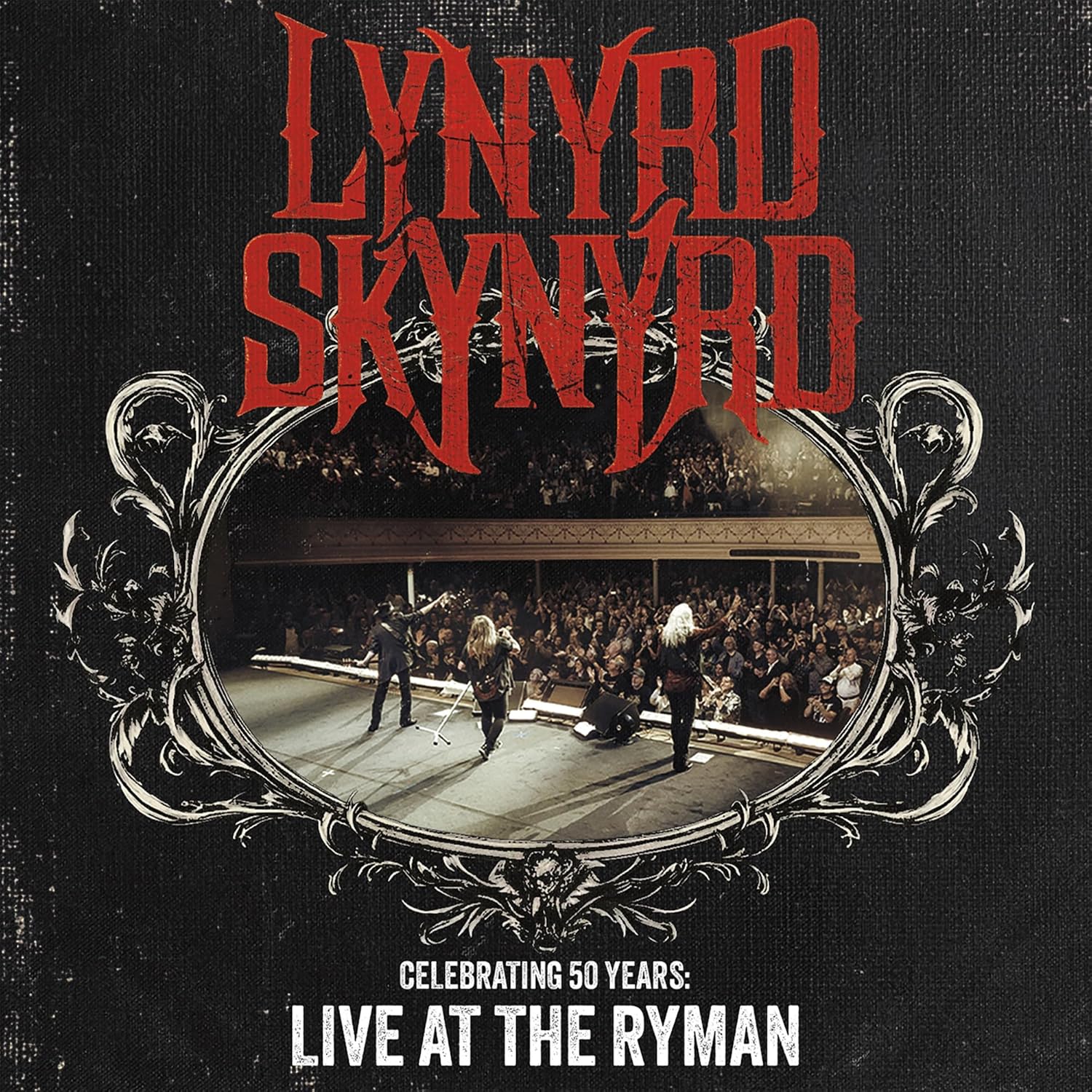
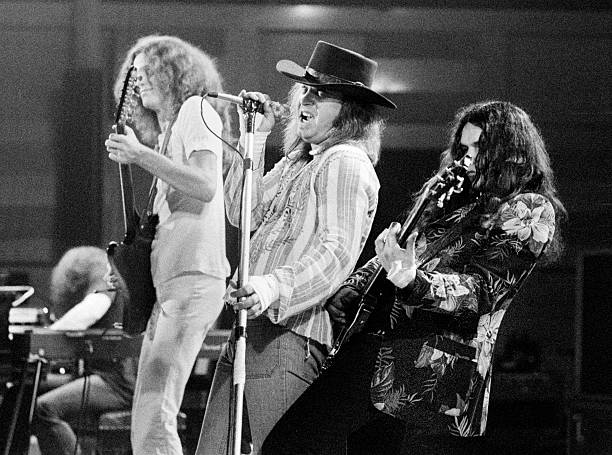
Skynyrd’s visual identity draws on bold band lettering, Southern imagery, stage photography and recognisable album artwork. For anyone choosing merch, those different approaches offer distinct ways into the band: a name-led design foregrounds allegiance, while an album-based image points towards a particular record or era.
Some historical Skynyrd imagery includes the Confederate flag. It is not a neutral regional symbol: its associations with slavery and racism matter, and deserve consideration rather than being treated as incidental decoration.
The most thoughtful way to approach band merch is to look closely at what the design actually communicates. With Skynyrd, the records provide plenty to connect with beyond any single symbol: intricate guitar interplay, vivid songwriting and a sound that rewards listening past the radio staples.